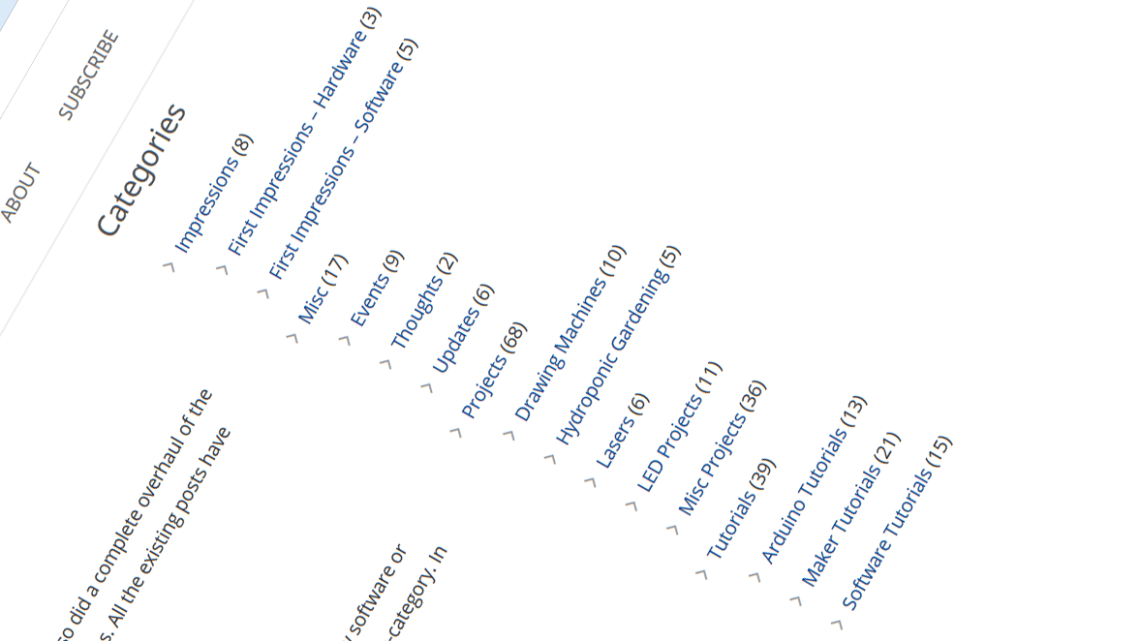
Last week we did a large update on our web page, mostly back-end stuff. However, we also did a complete overhaul of the blog categories. We tossed out all the old categories and replaced them with shiny new ones. All…
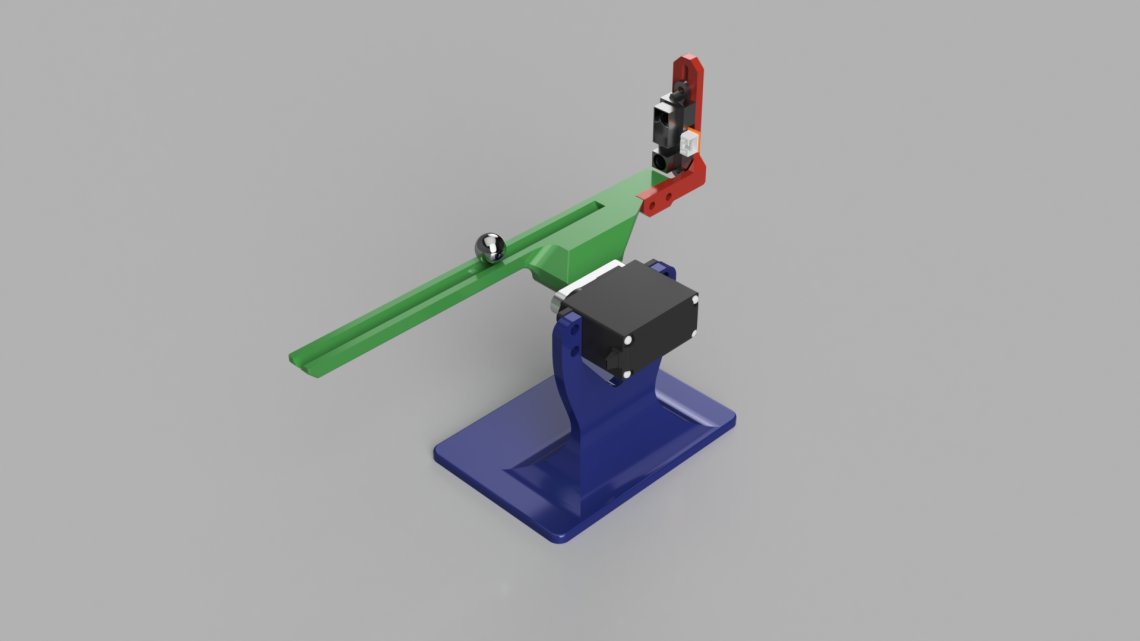
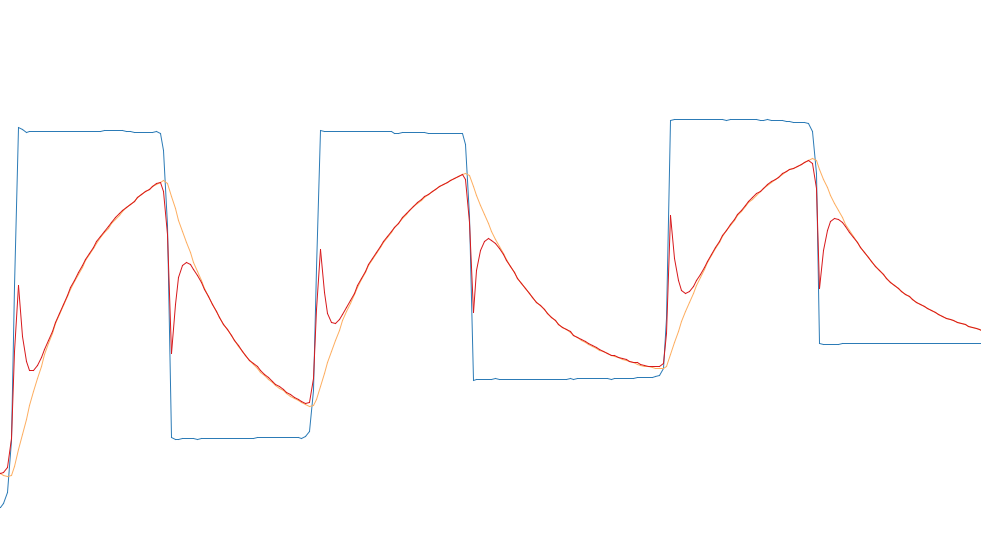
We got an idea of this small project which will be used as a platform to implement PID and other forms of motion control. Here’s an overview of how we’re envisioning the project. UPDATE Oct. 31st 2016: we have added…
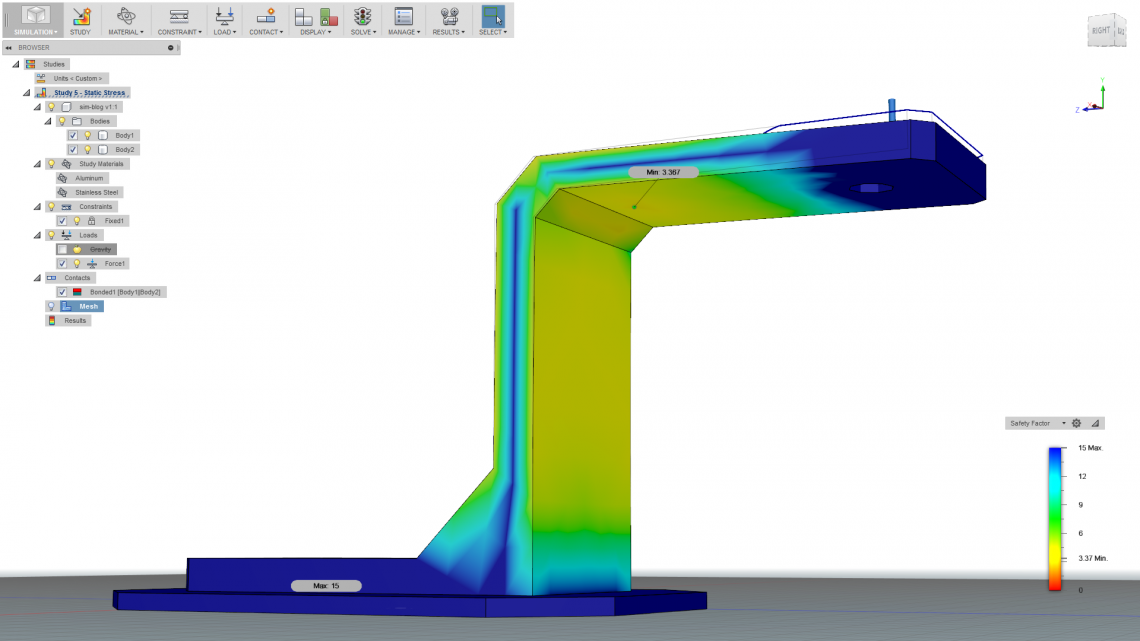
Autodesk Fusion 360 has now an easy-to-use simulation module which can be used to simulate static stress, modal frequencies, heat and thermal stress. Many are not aware that Fusion 360, a software which actually is free for students, makers and…
After looking into the music history of one of our makers we found an interesting fact: He often listens to ambient noise to achieve greater productivity and to easier get into the “zone” Why? We wondered if it was just he…
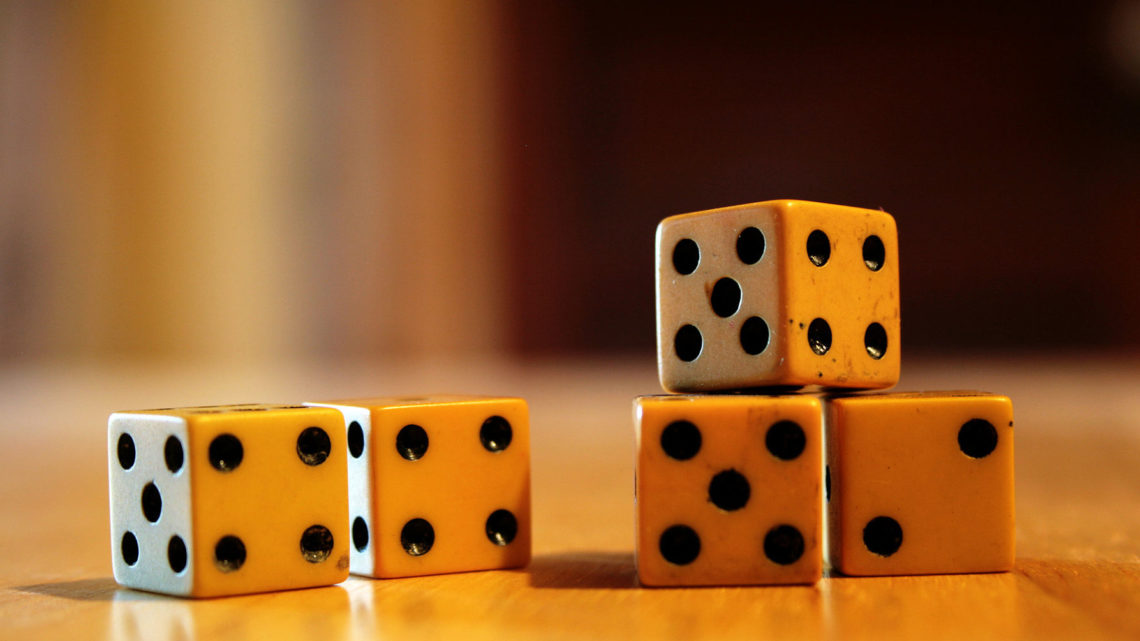
Welcome to part 6 in our series where we go through the basics of programming. This edition is about two unrelated topics: defines and random numbers. [Wikipedia] Be sure to check out the previous episodes: Part 1: Skimming the Surface…
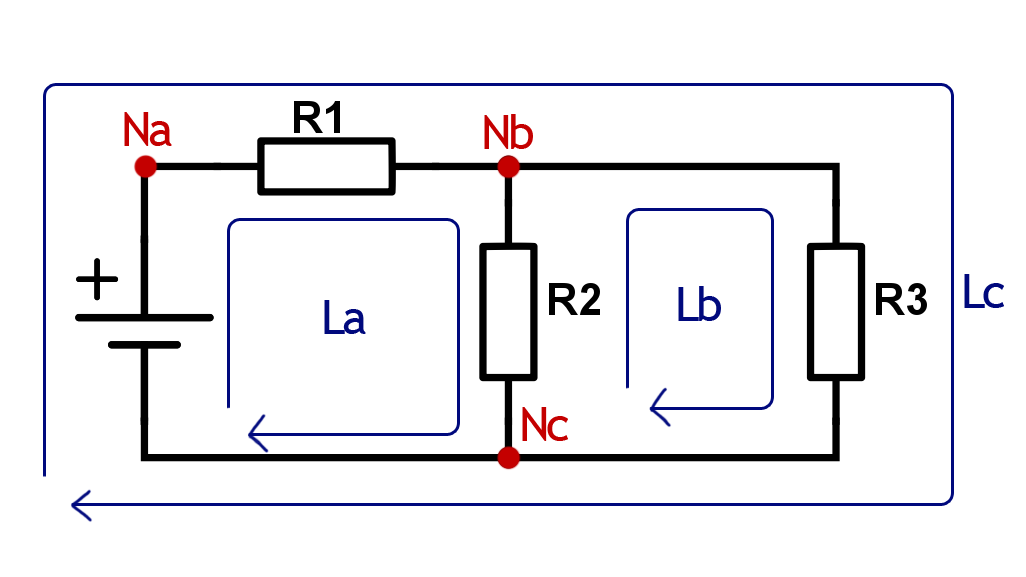
Two years ago we wrote a blogpost about the basic of basics within electronic theory: Voltage, Current and Resistance. Now we feel it’s time to pick the topic up again by introducing you to Kirchhoff’s Laws. Gustav Kirchhoff, the man…
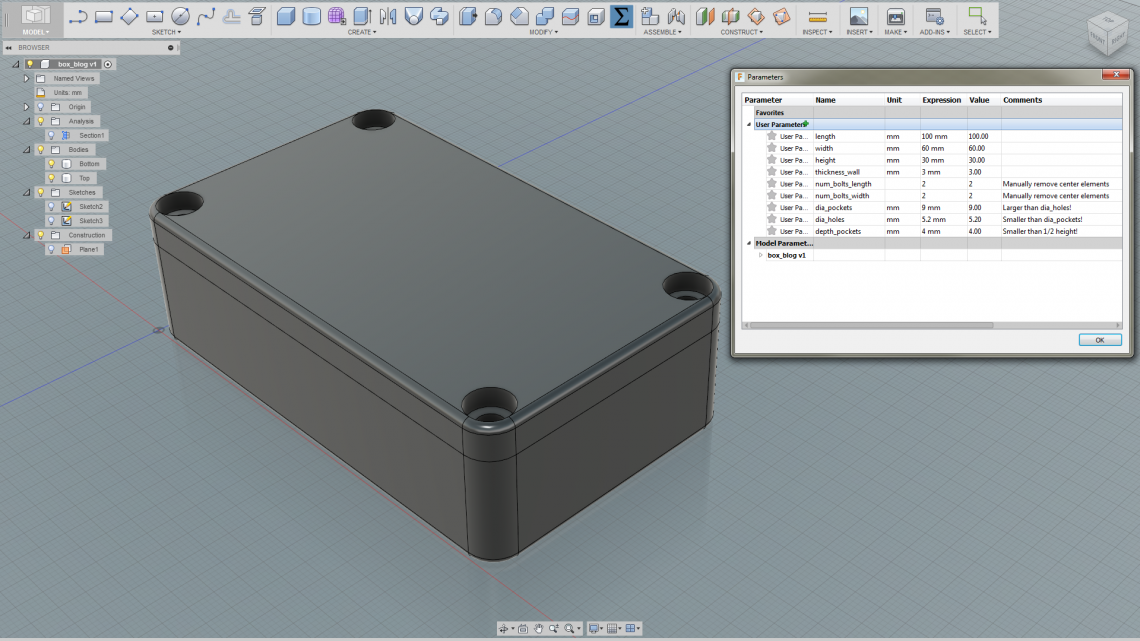
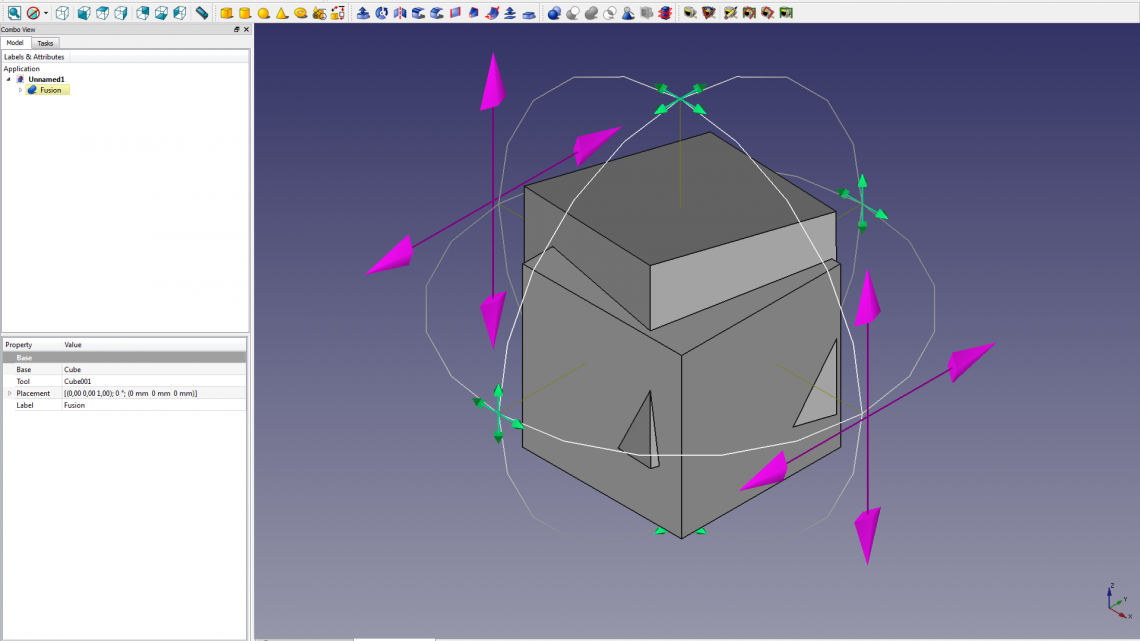
As you might be aware of, we in NC use Autodesk Fusion 360 daily. Fusion 360 fully supports parametric modelling, which is the topic of this post. We’ll explain very briefly what parametric modelling is as well as go through…
It’s time for part 5 in our programming for beginners series. For links to the previous editions, check out Part 1: Skimming the Surface Part 2: Conditional Statements Part 3: Loops Part 4: Arrays and Lists Functions Introduction You can…
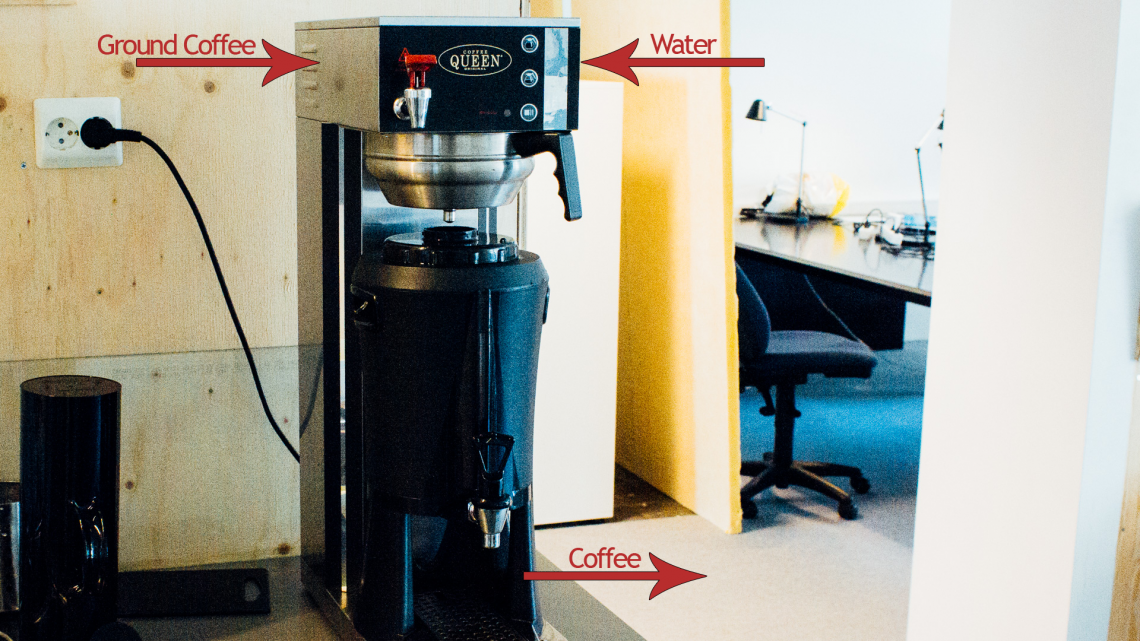
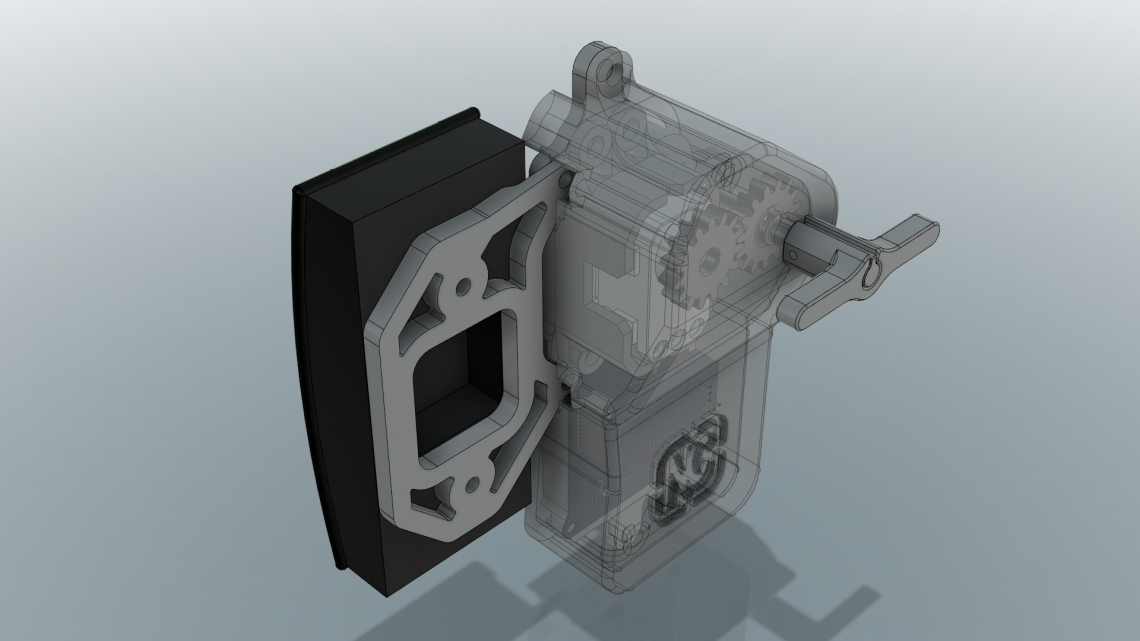
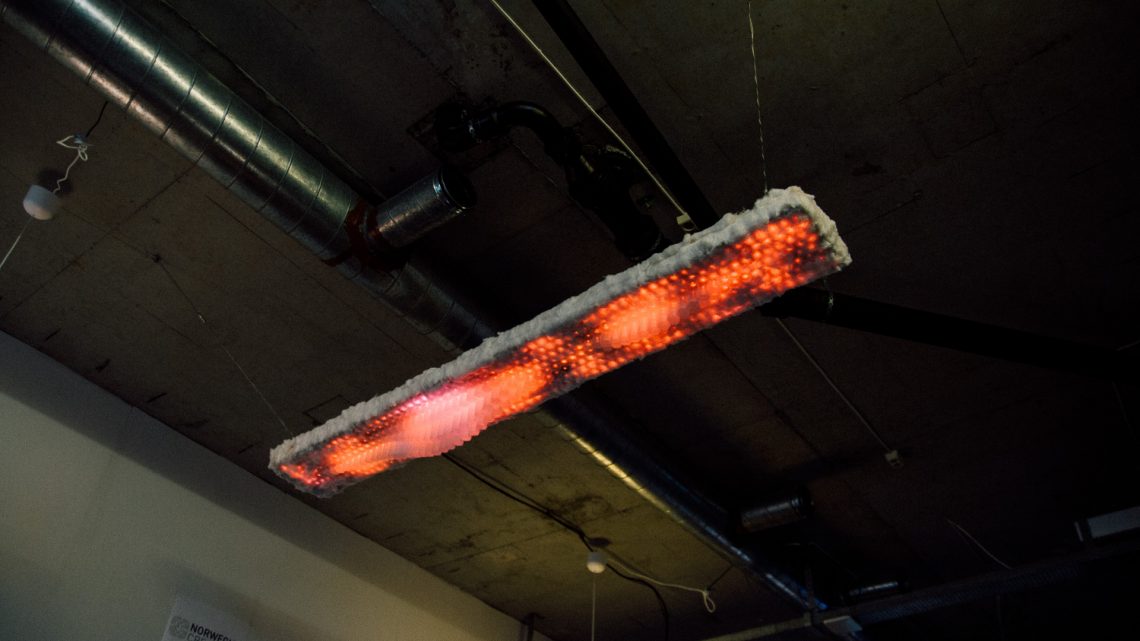
We like to create custom stuff for our office. Previously we’ve made our own lamps as well as an “embedded-desk” with custom lighting. The goal for our next office project is to make it possible for us to lock and…
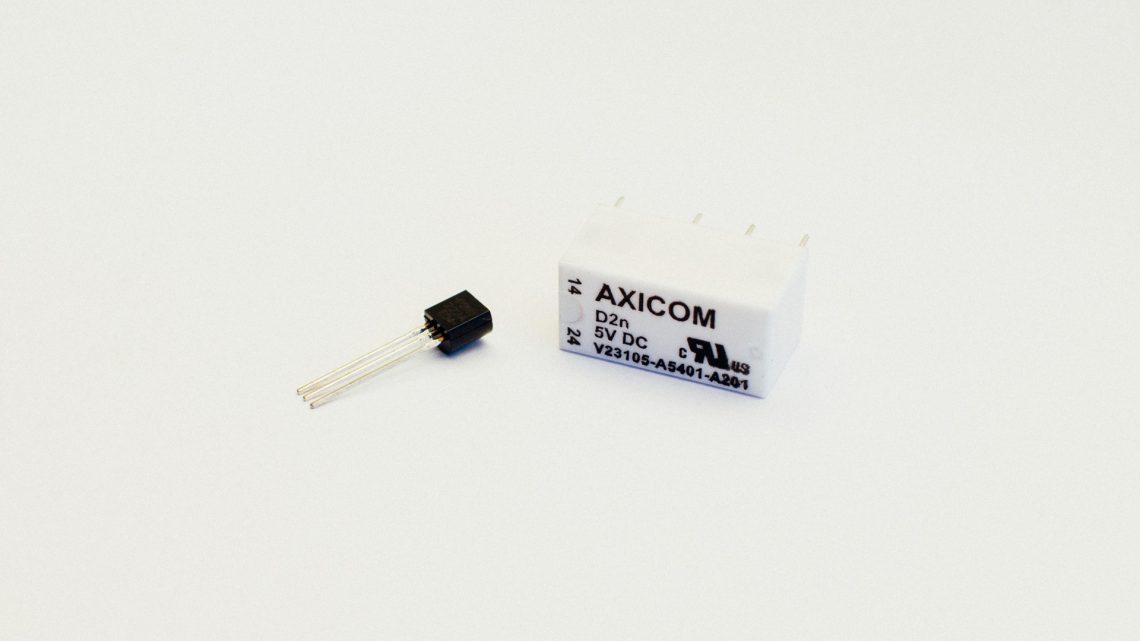
Let’s continue our introductory journey through different electronic components. Previously we’ve looked at capacitors and inductors. We’ve also looked at potentiometers, buttons and temperature sensors in conjunction with the Arduino. This time we’ll take a quick look at transistors and…
Welcome to part 4 in our series of blogposts where we introduce beginners to programming. Be sure to read the following previous episodes: Part 1: Skimming the Surface Part 2: Conditional Statements Part 3: Loops Introduction Arrays and lists are…
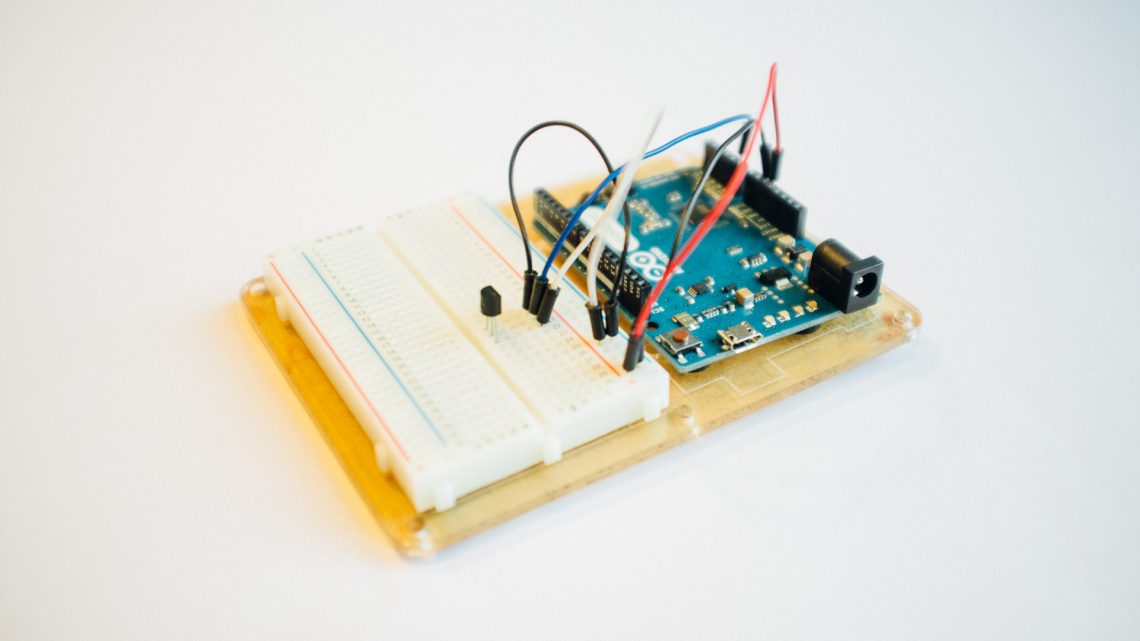
Measuring temperature using an Arduino and a temperature sensor is actually super easy. We’re going to show you how. The Hardware While getting some sort of temperature values from a sensor is really easy, getting real and accurate readings is…
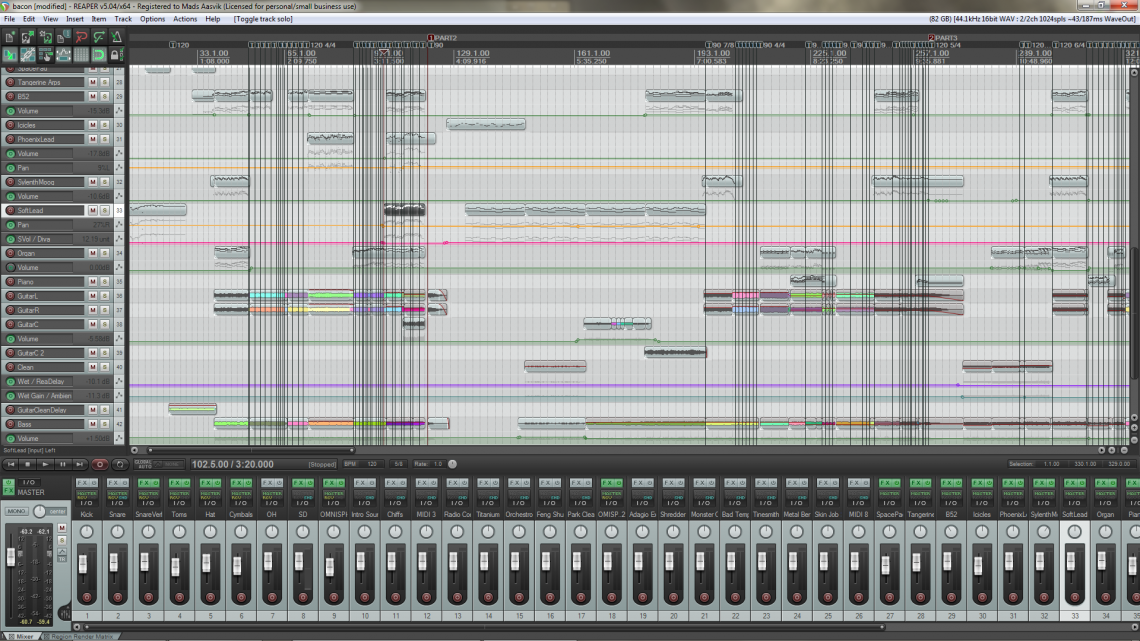
There are many ways to make music. You have the traditional studio and live recordings to sequencing on Gameboy and everything in between. In this blogpost we’re going to look at how to use your own computer to make music…
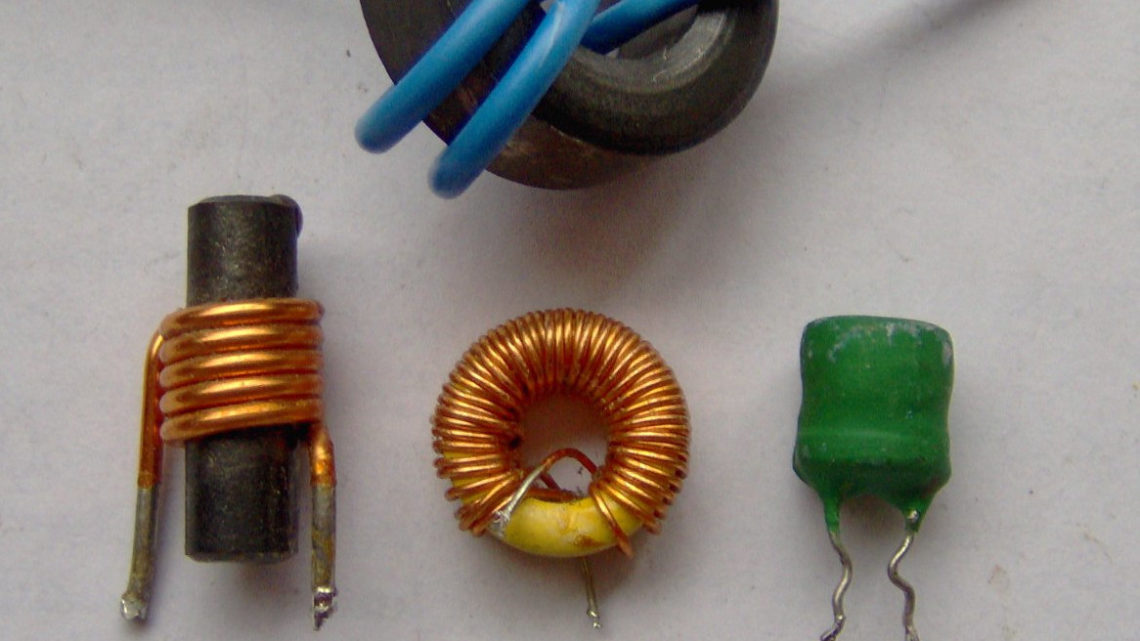
A couple of weeks ago we wrote a post about capacitors. This time we’re going to look at the capacitor’s relative: the inductor. Throughout this post we’ll compare the two from time to time, so it might be a good…
Welcome to part 3 of this series where we introduce you to the very basics in programming. This time we’re going to look at loops, and as usual we will give you examples in both Arduino/C++ and Python. The previous…